Why AC Capacitors Fail So Often in DFW Summer Heat — And What It Means for Your Home
Why do AC capacitors fail so often in DFW summer heat is one of the most common questions homeowners across the Dallas-Fort Worth area ask when their system suddenly stops cooling on a 100-degree July afternoon. The short answer: DFW’s extreme summer conditions push capacitors harder than almost anywhere else in the country — and they’re the first component to break down because of it.
Here’s a quick look at the main reasons capacitors fail so frequently in DFW:
- Extreme outdoor temperatures — outdoor AC cabinet interiors can reach 130°F or more, far exceeding what most capacitors are designed to handle long-term
- Extended daily run times — DFW systems often run 14 or more hours per day in July, burning through a capacitor’s rated life cycles at a much faster pace
- Heat-driven chemical breakdown — the electrolyte fluid inside a capacitor evaporates and degrades faster at high temperatures, causing it to lose its charge-holding ability
- Power surges and voltage fluctuations — Texas summer storms and peak grid demand create electrical spikes that weaken capacitors even when they don’t cause immediate failure
- Age combined with heat stress — capacitors that might last 8–10 years in a milder climate often fail in 4–6 years in DFW
Capacitors are the number one reason residential AC units stop working in the DFW area. When one fails, your system may hum, struggle to start, or shut down entirely — right when you need it most. Understanding why this happens is the first step toward protecting your home and your comfort all summer long.
What is an AC Capacitor and What Does It Do?
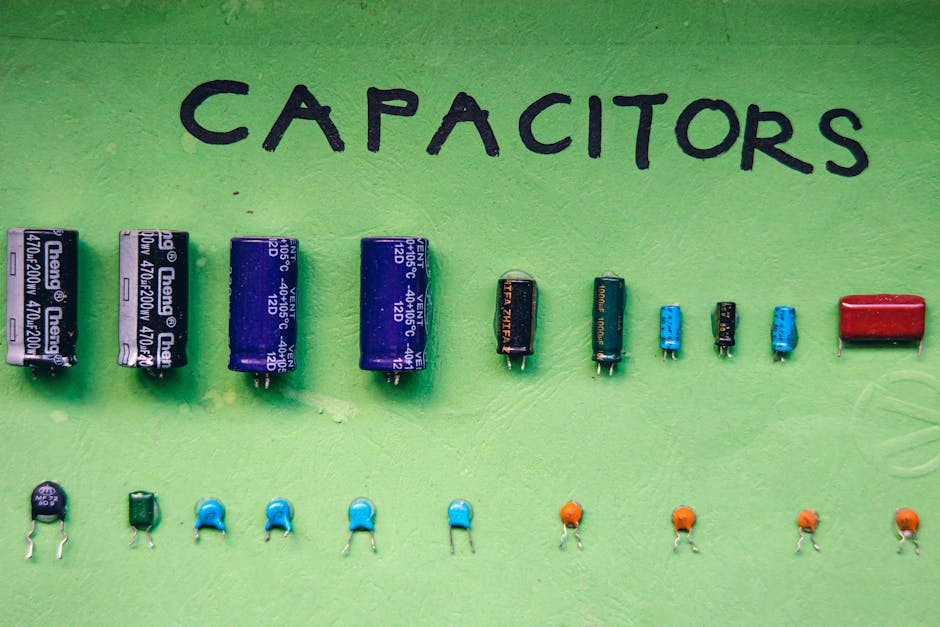
To understand why these components struggle so much in our North Texas climate, it helps to know what they actually do. Think of an AC capacitor as a small, short-term battery that stores up electrical energy and releases it in a powerful burst.
Air conditioning motors—specifically the compressor and the outdoor fan motor—require a massive amount of electrical torque to start up. In fact, starting these motors takes up to three to five times more electrical current than running them. Your home’s standard electrical panel cannot supply this sudden surge of power on its own. The capacitor acts as an electrical helper, releasing its stored energy at the exact millisecond the system cycles on.
In residential HVAC systems, you will typically find three configurations of capacitors:
- Start Capacitor: This component provides the initial, high-torque electrical boost required to get the compressor or fan motor spinning from a dead stop. Once the motor reaches about 75% of its operating speed, the start capacitor disconnects from the circuit.
- Run Capacitor: This capacitor stays active the entire time your air conditioner is running. It uses continuous electrical phase-shifting to maintain a smooth, constant, and energy-efficient power flow to the motors.
- Dual Run Capacitor: By far the most common setup in modern Dallas-Fort Worth homes, a dual run capacitor combines both functions into a single, cylindrical metal canister. It has three terminals on top (labeled “Herm” for the compressor, “Fan” for the outdoor fan motor, and “C” for common) to support both major outdoor components simultaneously.
Every capacitor is rated by its capacitance—measured in microfarads (µF)—and its maximum voltage limit (typically 370V or 440V). If the capacitor’s microfarad output drops below its rated capacity (usually a tolerance of +/- 5% to 6%), the connected motors will struggle to run. When this happens, you will need a professional AC Repair to restore proper electrical balance to your system.
Why Do AC Capacitors Fail So Often in DFW Summer Heat?
If you live in Grapevine, Southlake, Westlake, or Highland Park, you know that summer is not just a season—it is an endurance test for your home appliances. Your outdoor air conditioning unit sits directly in the elements, where it bears the brunt of relentless solar radiation and stagnant, humid air.
During a typical July or August heatwave, ambient air temperatures frequently exceed 100°F. However, the temperature inside the dark, metal cabinet of your outdoor condenser unit is much higher. The heat radiating off the ground, combined with the heat rejected by the condenser coils and the warmth generated by the compressor itself, can push internal cabinet temperatures past 130°F.
This extreme thermal environment causes two major physical reactions inside the capacitor:
- Thermal Expansion: The metal casing, plastic internal seals, and aluminum foil layers inside the capacitor expand and contract rapidly as temperatures swing from hot afternoons to slightly cooler nights. Over time, this mechanical movement weakens the hermetic seals.
- Electrolyte Degradation: Capacitors rely on a liquid or gel electrolyte to maintain their dielectric properties. Intense, sustained heat causes this chemical mixture to degrade and slowly evaporate. As the fluid level drops, the capacitor loses its ability to hold a charge.
When the capacitor can no longer store or discharge power effectively, your outdoor unit will struggle. If you notice your system cycling on and off rapidly without cooling, read more about Why Your Outdoor AC Unit Keeps Shutting Off to see how heat-stressed electrical components play a major role in system shutdowns.
The Science Behind Why Do AC Capacitors Fail So Often in DFW Summer Heat
At a molecular level, a capacitor consists of two conductive aluminum foil sheets separated by a thin, insulating layer known as a dielectric (often made of polymer film soaked in synthetic dielectric oil). When voltage is applied, an electrostatic field is created across this dielectric layer.
When subjected to the sustained high temperatures of a DFW summer, the chemical bonds within the dielectric oil begin to break down. This chemical decomposition releases gas as a byproduct. Because the capacitor is housed in a hermetically sealed metal cylinder, this gas buildup creates intense internal pressure.
This pressure is what causes the classic visual symptom of a failed capacitor: a bulging, swollen, or “domed” top. In extreme cases, the pressure-relief mechanism built into the top of the capacitor will trip, permanently disconnecting the internal terminal wires to prevent an electrical explosion.
Furthermore, our local electrical grid faces immense strain during peak summer afternoons. When thousands of homes in Fort Worth, Arlington, and Irving turn on their AC systems simultaneously, it can cause voltage fluctuations, brownouts, and minor power surges. These sudden electrical spikes place a heavy electrical load on already weakened capacitors, pushing them past their breakdown voltage and causing instant failure.
How Extended Run Times Explain Why Do AC Capacitors Fail So Often in DFW Summer Heat
In milder climates, an air conditioner might cycle on for 15 minutes, cool the home, and remain off for the next hour. In North Texas, our summer design temperatures require systems to run almost continuously. It is not uncommon for a system in Grapevine or Trophy Club to run for 12 to 18 hours straight during a heatwave.
This continuous operation means the run capacitor is subjected to uninterrupted electrical current and constant heat buildup without any cooling-off periods. The longer the system runs, the hotter the internal electrical components get.
Additionally, any restriction in airflow makes this problem much worse. If your outdoor condenser coils are clogged with North Texas clay dust, lawn clippings, or cottonwood seeds, the heat cannot escape the cabinet. The compressor has to work much harder to pump refrigerant, which increases the electrical current (amperage) flowing through the capacitor. This extra electrical current generates even more heat, accelerating the breakdown of the dielectric oil and guaranteeing an early failure.
Warning Signs Your AC Capacitor is Failing
Fortunately, AC capacitors rarely fail without dropping a few hints first. If you can catch a weak capacitor before it dies completely, you can avoid a sudden system breakdown during the hottest part of the day.
Keep an eye and an ear out for these common warning signs:
- A Loud Humming or Buzzing Noise: If you hear a loud hum coming from your outdoor unit but the fan blade isn’t spinning, the motor is trying to start but lacks the electrical torque from a failed start capacitor.
- Hard Starting: If your AC hesitates, clicks repeatedly, or makes a stuttering sound when it tries to turn on, the compressor is struggling to start due to a weak capacitor.
- Short Cycling: If your air conditioning system runs for just a few minutes before shutting off, then turns back on shortly after, a failing run capacitor may be causing the system’s safety switches to trip.
- Warm Air Blowing From Vents: If your indoor blower fan is running but the outdoor compressor cannot start, your vents will blow warm, uncooled air.
- Clicking Sounds: A clicking noise from the outdoor electrical panel often indicates that the contactor is engaging, but the capacitor is unable to deliver the power needed to start the motors.
- High Energy Bills: When a capacitor weakens, the compressor and fan motors must draw more electrical current to do the same amount of work, causing your monthly electricity bills to climb.
If you notice any of these symptoms, it is best to turn off your system immediately at the thermostat to prevent motor damage and review these Air Conditioner Repair Warning Signs to determine your next steps.
How to Prevent Capacitor Failure and Protect Your Compressor
While you cannot change the North Texas weather, you can take proactive steps to protect your AC system’s electrical components. Implementing a few preventive measures can significantly extend the life of your capacitor and keep your home cool.
Here is how you can protect your system:
- Schedule Regular HVAC Tune-Ups: During a professional inspection, a technician will use a multimeter to measure the exact microfarad output of your capacitors. If a capacitor rated for 45 µF is testing at 38 µF, we can replace it before it leaves you stranded in the heat. Check out our guide on why this matters: Get Ready for the Heat: The Importance of an AC Tune-Up.
- Keep Outdoor Coils Clean: Regularly wash down your outdoor unit with a gentle garden hose (never a pressure washer, which can bend the delicate aluminum fins). Removing dirt and debris improves airflow, lowers cabinet temperatures, and reduces electrical strain.
- Install a Hard Start Kit: A hard start kit contains an additional start capacitor and a solid-state relay. It assists your compressor during start-up, reducing the time it takes to get running from seconds to milliseconds. This drastically reduces the heat and electrical stress placed on your main run capacitor.
- Provide Strategic Shade: If possible, shade your outdoor unit from the harsh afternoon sun with landscaping or an awning. Just ensure you maintain at least two feet of clearance on all sides and five feet of clearance above the unit to allow hot air to escape.
- Upgrade to Heat-Resistant Components: When replacing a failed capacitor, consider upgrading from standard models to heavy-duty, high-temperature rated capacitors.
| Feature | Standard Capacitor | Heat-Resistant Capacitor |
|---|---|---|
| Max Temperature Rating | Up to 140°F (60°C) | Up to 158°F (70°C) or higher |
| Dielectric Fluid Quality | Standard grade synthetic oil | Premium, high-durability synthetic fluid |
| Expected DFW Lifespan | 4 to 6 years | 6 to 10 years |
| Grid Surge Resistance | Moderate | High |
| Casing Construction | Thin aluminum | Heavy-duty steel or reinforced aluminum |
Frequently Asked Questions About DFW AC Capacitors
How long do AC capacitors typically last in the DFW climate?
While manufacturers often design capacitors to last between 10 to 20 years under ideal laboratory conditions, the reality in the Dallas-Fort Worth metroplex is quite different. Due to our sustained summer temperatures, high humidity, and long cooling seasons, a standard AC capacitor in DFW typically lasts between 4 and 6 years.
On systems that are overworked, poorly maintained, or exposed to direct, unshaded sunlight all day, capacitors can fail in as little as 2 to 3 years. If your system is getting older and experiencing frequent electrical component failures, it may be time to evaluate your options. Read more in our guide: Should I Repair or Replace My AC in North Texas?.
Can a failing capacitor damage other expensive components?
Yes, absolutely. Running an air conditioning system with a weak or failing capacitor is one of the quickest ways to ruin your compressor or outdoor fan motor.
When a capacitor is weak, the compressor struggles to start up. This is known as “hard starting.” Instead of starting instantly, the compressor motor spins slowly or stalls, drawing high electrical current (amperage). This extra current quickly overheats the motor’s internal copper windings, breaking down their protective insulation. Over time, this causes the compressor to short-circuit or seize up completely.
Replacing a capacitor is a quick and straightforward maintenance task, but replacing a burned-out compressor is a major, highly invasive repair. To understand the long-term consequences of leaving these small electrical issues unaddressed, read about The Impact of Neglecting AC Inspections and Repairs on Your System.
Should I attempt a DIY capacitor replacement?
We strongly advise against attempting to replace an AC capacitor yourself. While the part itself may look simple, capacitors are high-voltage storage devices. They are designed to hold a lethal electrical charge even after you have turned off the main power breaker to your home.
Mishandling a capacitor can result in severe electrical shocks or arc flashes. Additionally, installing a capacitor with the wrong microfarad (µF) or voltage rating, or miswiring the terminals, can instantly burn out your outdoor fan motor or destroy your compressor. For your safety and the longevity of your equipment, always call a licensed professional. You can read more about safe troubleshooting steps here: Common AC Issues and How to Troubleshoot Them Effectively.
Conclusion
When the Texas heat settles over the Dallas-Fort Worth metroplex, a reliable air conditioner is essential for your family’s comfort and safety. Keeping your system’s electrical components—especially your hard-working capacitors—in peak condition is the best way to prevent unexpected summer breakdowns.
At Washburn Air, we provide expert HVAC services across the DFW area, including Grapevine, Southlake, Westlake, Trophy Club, Highland Park, Dallas, Fort Worth, Arlington, and Irving. Our experienced, licensed technicians are ready to inspect, test, and maintain your cooling system to ensure it is fully prepared for our intense summer temperatures.
Don’t wait for your AC to stop working on the hottest day of the year. Keep your system running smoothly with proactive AC Maintenance, or if you suspect your system is already struggling with a weak capacitor, Schedule professional AC Repair with Washburn Air today!