Why a Spring HVAC Tune-Up Matters in North Texas
Spring in Grapevine is short-lived. Before long, mild mornings give way to triple-digit afternoons, and your air conditioner shifts from occasional use to full-time operation. A spring HVAC tune-up is one of the smartest preventative steps homeowners in Grapevine and across the DFW area can take before the intense Texas heat sets in.
After months of winter cycling, your system needs a careful inspection to ensure it’s ready for heavy demand. Small issues like worn components, minor clogs, or low refrigerant levels can quietly reduce performance and drive up energy costs. Left unaddressed, those minor problems often turn into inconvenient breakdowns right when you need cooling the most.
Routine spring maintenance improves efficiency, enhances reliability, and helps extend the lifespan of your HVAC system. Most importantly, it provides peace of mind heading into summer, knowing your home will stay consistently comfortable even during peak heat waves.
Check and Replace the Air Filter
Your air filter may seem like a small component, but it has a significant impact on system performance. When the filter becomes clogged with dust, pollen, and debris, airflow is restricted. This forces your HVAC system to work harder to circulate air throughout your home, which can increase energy usage and strain internal components.
During a spring tune-up, the air filter should be inspected and replaced if needed. A clean filter allows for proper airflow, protects sensitive parts like the blower motor and evaporator coil, and supports healthier indoor air quality; especially important during allergy season in North Texas.
Choosing the right filter type for your specific system matters just as much as replacing it on schedule. A professional can ensure you’re using a filter that balances effective filtration with proper airflow.
Inspect the AC Condenser Coil
The outdoor condenser unit works tirelessly to release heat from your home, but it’s constantly exposed to the elements. Leaves, grass clippings, dirt, and airborne debris can accumulate around the condenser coil, limiting its ability to transfer heat efficiently.
When the coil becomes dirty, your system must run longer to achieve the same level of cooling. That extended runtime increases wear and tear while driving up utility costs.
As part of a thorough tune-up, technicians carefully inspect and clean the condenser coil, remove debris from around the unit, and verify that airflow is unobstructed. Restoring proper heat exchange helps your system cool more effectively and reduces unnecessary strain before summer temperatures climb.
Clear and Test the AC Drain Line
As humidity rises in the spring, your air conditioner begins removing more moisture from the air inside your home. That moisture collects as condensation and flows through the AC drain line. If the line becomes clogged with algae, dirt, or buildup, water can back up into the system.
A blocked drain line is one of the most common seasonal issues in North Texas homes. Left unchecked, it can cause water leaks, ceiling damage, musty odors, and even automatic system shutdowns if the safety switch is triggered.
During your spring HVAC tune-up, the drain line is inspected, cleared if necessary, and tested to ensure proper drainage. Addressing this early helps prevent costly water damage and keeps your system operating smoothly during humid months.
Check AC Refrigerant Levels
Refrigerant is essential to your system’s cooling process. It absorbs heat from inside your home and releases it outdoors. If refrigerant levels are low, your air conditioner cannot effectively remove heat, resulting in longer run times and inconsistent cooling.
Low refrigerant often indicates a leak, which requires professional attention. Simply adding refrigerant without identifying the source of the issue will not resolve the underlying problem.
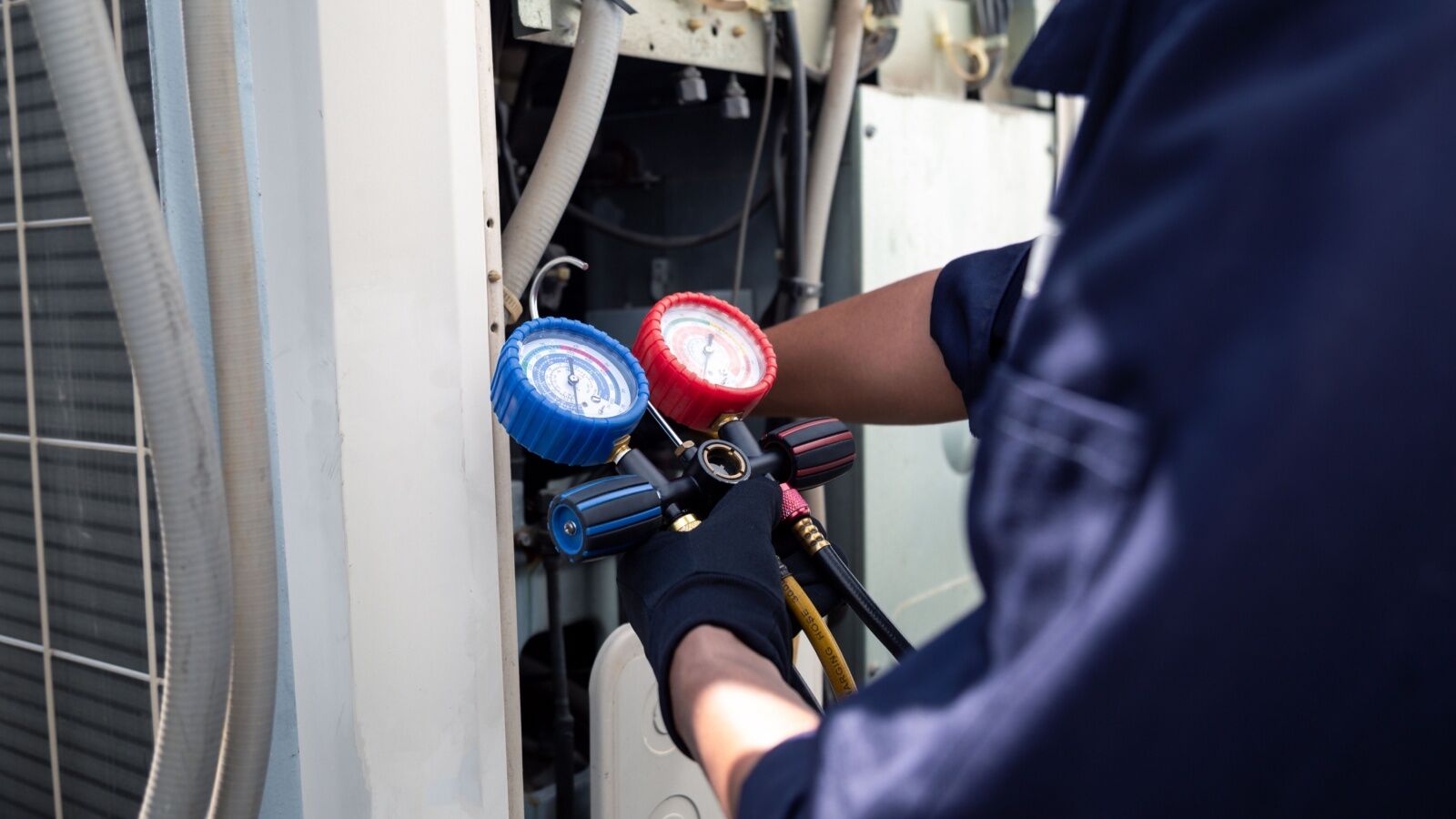
During a spring tune-up, technicians measure refrigerant levels, inspect connections, and check for signs of leaks. Maintaining the correct charge ensures your system cools efficiently, protects the compressor from damage, and keeps your energy bills under control.
Test System Operation and Airflow
A comprehensive HVAC tune-up goes beyond cleaning and inspections. It also includes verifying that the system operates safely and efficiently from start to finish.
Technicians test electrical components, examine wiring connections, calibrate the thermostat, and observe startup and shutdown cycles. These steps help identify worn parts or performance inconsistencies before they become major repairs.
Airflow testing is equally important. Uneven airflow can lead to hot and cold spots throughout your home, reduced comfort, and unnecessary strain on the system. Ensuring balanced airflow helps your HVAC system distribute cooling evenly and maintain steady indoor temperatures across every room.
Schedule Professional HVAC Maintenance in Grapevine, TX
Following a spring HVAC checklist is a great start, but professional service ensures every component is thoroughly evaluated. Experienced technicians know what to look for and can catch subtle warning signs that may not be visible to homeowners.
Washburn Air provides trusted HVAC maintenance and AC tune-up services for homeowners throughout Grapevine and the surrounding North Texas communities. With professional maintenance, you can improve efficiency, reduce the risk of unexpected breakdowns, and help extend the life of your system.
Scheduling your spring tune-up now means entering summer prepared and confident that your HVAC system is ready to handle whatever the Texas heat brings!